Water Damage Prevention
Jul 30, 2024
3 Common Causes for Foundation Cracks in Montreal
Learn how soil, temperature changes, and water can affect your home's foundation.

Article Contents
When purchasing a home or planning to renovate your basement, ensuring the integrity of your foundation is paramount. Experiencing a leaking or wet basement after a completed renovation is the last thing any homeowner wants to see after such an investment. The following article outlines the top 10 common foundation repair warning signs that should be considered when purchasing a home or when looking to renovate your basement. Addressing these issues early can save you from costly repairs and potential safety hazards.
The concrete in your foundation should be solid and intact. If you notice any areas where the concrete is crumbling or flaking, this is a clear sign of foundation deterioration. This deterioration can be caused by various factors, including poor initial construction, freeze-thaw cycles, or the use of substandard materials. Crumbling concrete not only weakens the structure but can also allow moisture to penetrate, exacerbating the problem.
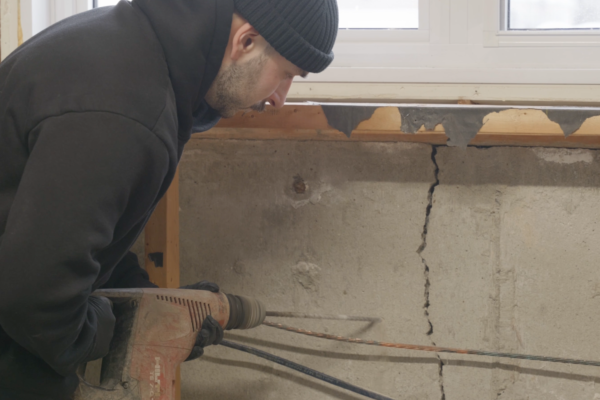
Cracks and gaps can appear in the walls and floors of your basement due to foundation movement. These cracks may start small but can expand over time, indicating serious structural issues. Vertical cracks are often due to foundation settling, while horizontal cracks can be a sign of pressure against the foundation walls, possibly from soil expansion. Addressing these cracks early can prevent further damage and costly repairs.
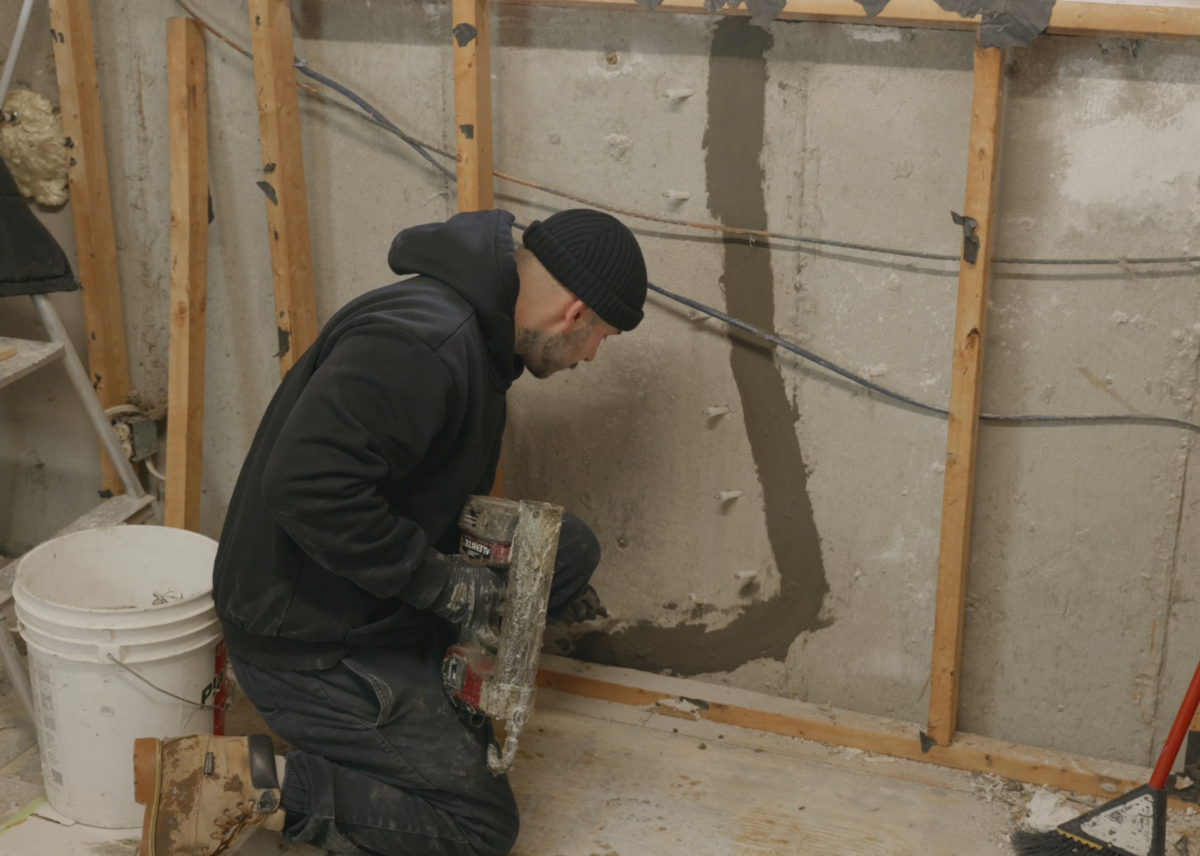
Our crack repair expert performing an interior crack repair fix.
Also known as efflorescence, these white, chalky stains on your basement walls are caused by water seeping through the concrete and carrying calcium salts. While efflorescence itself is not harmful, it indicates that moisture is penetrating your foundation, which can lead to more severe issues such as mold growth or structural weakening. Proper waterproofing and drainage solutions are essential to prevent further moisture intrusion.
Persistent moisture in your basement can lead to mold growth, which poses health risks and indicates a possible foundation leak. Mold can grow on walls, floors, and even furniture, leading to respiratory issues and other health problems. Identifying the source of the moisture and addressing it promptly is crucial. Solutions may include improving drainage, repairing cracks, and installing dehumidifiers.
Pyrite oxidation can cause serious foundation problems. If your home was built using pyrite-contaminated backfill, it could lead to heaving, cracking, and other structural issues as the pyrite reacts and expands. Homes in certain geographical areas are more prone to this issue.
If you suspect pyrite contamination, it’s essential to have your foundation inspected by a specialist who can recommend appropriate remediation strategies.
Visible water damage in your basement, such as stains, wet spots, or pooling water, suggests a foundation leak. Water damage not only affects the aesthetic appeal of your basement but can also compromise the structural integrity of your home. Addressing water damage promptly is essential to prevent mold growth and further foundation issues. Solutions may include waterproofing, improving drainage, and repairing cracks.
Shifting soil around your home can create voids or pressure against your foundation walls, leading to cracks and movement. This is often a result of poor drainage, changes in moisture content in the soil, or inadequate compaction during construction. Soil shifting can cause uneven settling of your foundation, leading to cracks and structural damage. Proper grading, drainage systems, and foundation reinforcement can help mitigate this issue.
A sloping landscape can direct water towards your foundation, increasing the risk of water infiltration. Proper grading ensures that water flows away from your home, protecting your foundation from moisture damage. If your property has a sloping landscape, it’s essential to implement effective drainage solutions such as French drains or retaining walls to manage water flow and prevent foundation issues.
If you notice your floors are sagging or your ceilings are warped, this could be due to foundation settlement. These symptoms are often a sign of significant structural issues that require immediate attention. Foundation settlement can cause floors to become uneven and ceilings to warp, leading to gaps around doors and windows. A professional assessment is necessary to determine the extent of the damage and the appropriate repair solutions.
Doors and windows that stick or do not close properly may indicate that your foundation has shifted. This is often one of the first signs homeowners notice when there are foundation problems. As the foundation moves, it can cause the frames of doors and windows to become misaligned, making them difficult to open and close. Addressing the underlying foundation issues can restore proper alignment and functionality.
If you observe any of the above warning signs, it’s natural to be concerned about the safety and stability of your home. The structural integrity of your house might be compromised, and it’s crucial to address these issues promptly. Here’s what you can do:
Contact a foundation repair specialist to get a free estimate and consultation. Experts can assess the severity of the issue and recommend appropriate solutions to prevent further damage. Foundation repair specialists have the experience and tools necessary to accurately diagnose and repair foundation problems, ensuring the long-term stability of your home.
If you’re purchasing a new home, in addition to a home inspector, have a foundation repair specialist examine the property. This can save you from future headaches and costly repairs. Regular inspections can help identify potential issues early, allowing for proactive maintenance and repair. This is particularly important for older homes or homes located in areas with challenging soil conditions.
Review your home insurance policy to understand if it covers foundation repairs. For more detailed information, read my article “Does Your Home Insurance Plan Cover Foundation Repairs”. Understanding your insurance coverage can help you plan for potential repair costs and ensure you have the necessary financial protection.
Don’t let foundation issues compromise the safety and value of your home. Early detection and repair can prevent minor problems from becoming major concerns. Addressing foundation issues promptly ensures the long-term stability and safety of your home. Contact our team of foundation and crack repair experts to ensure your home remains secure and stable. Reach out today for a free estimate and peace of mind!
Related articles
Water Damage Prevention
Jul 30, 2024
Learn how soil, temperature changes, and water can affect your home's foundation.
Water Damage Prevention
Jul 30, 2024
Learn how water impacts your foundation with our expert tips on prevention and repair. Ensure your home stays safe and dry!